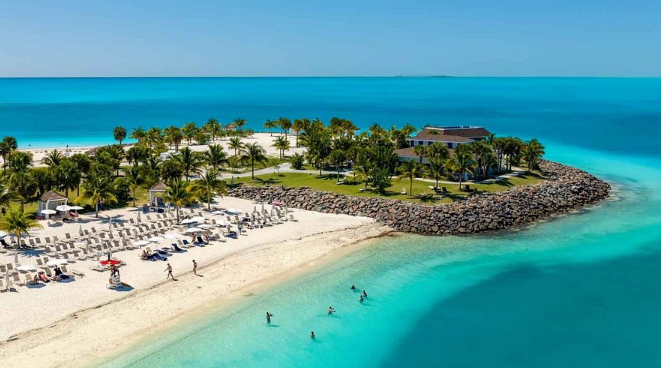
The availability of transparent waters, quiet coastlines, and thriving marine animals in the protected coves of the ocean makes them special places in 2026. These natural resources are properly arranged to preserve delicate ecosystems, and in the process, the conscientious tourists are able to enjoy their beauty.
As the level of environmental sensitization increases, there is a need to know how to explore such coastal areas without damaging the environment. There are safety rules, habitat protection, and understanding the local sea animals, which contribute to the establishment of a balanced experience. This manual outlines practical solutions, ecological facts, and respectful behavior solutions to make sure that visitors can experience the marine environment and contribute to the long-term conservation objectives.
Knowing Protected Cove Ecosystems
Unprotected ocean coves are natural shelters in which the coral structures, reef fish, and seabirds are able to survive with minimal disturbances. Hanauma bay Hawaii is an example of how biodiversity can be managed through controlled access and education programs, where people can enjoy biodiversity. These coves are normally defined by shallow reefs, low tide, and visibility, which makes them the most suitable to view.


Coral reefs that are weak and small can be destroyed easily in the case of irresponsible movement. The conservation policies usually include visitor limitations, orientation of visitors, and surveillance of the habitat. The ecological awareness of the zones makes the visitors more concerned about the sustainability of the oceans and eliminates unintentional damage to the ocean environment.
What Are the Marine Life Flourishes Here?
The sheltered beaches provide other forms of life in the sea due to the absence of turbulence and minimal human interaction. The common dwellers include reef fishes, sea turtles, miniature crustaceans, and coral colonies that form complex underwater landscapes. These ecosystems as well create breeding grounds to the various species that need water quality at all times.
Young fish will seek shelter in seagrass beds and rock formations which makes them survive at a higher rate. The seasons might influence the visibility and the behavior of animals, and it will be significant to read the local suggestions before going into the water.
The wildlife respect will imply that future generations will not have to interfere with the feeding patterns, nesting, and the normal activities of the wildlife.
What Effect Does Climate Have on Coves?
Climate patterns determine the temperature of water, coral, and the migration of species in the protected coves within the oceans. An increase in ocean temperature can make the corals stressed, resulting in the occurrence of coral bleaching, which makes the reef structures weak. The intensity of the storm can change the forms of the shorelines and intensify the flow of sediments to shallow waters.
In order to determine the stability of an ecosystem, the management teams tend to observe the changes in temperature and water purity. The visitors contribute to it by reducing pollution and adhering to preservation regulations.
As soon as human activity is congruent with conservation activities, the marine habitats can respond to the changes in the environment in a better manner. Education can still be the best weapon in the defense of a resilient coastal ecosystem.
See also: axis maximum life 141
Rules to follow with regard to conservation
• Be a part of the accompanying orientation to visit areas of protection.
• Recycle the waste in recycling containers.
• Honor seasonal burial prohibitions to breeding wildlife.
• Do not pick up pieces of coral or any marine souvenirs.
• Contribute to local conservation efforts by donating.
Ocean Stewardship Guide
It takes regular awareness, disciplined action, and collective responsibility to protect the marine coves. Successful preservation strategies like the Hanauma bay Hawaii can be used to promote responsible travel practices, and learners can have more appreciation of ocean life.
Thoughtful use will guarantee that there are healthy marine environments that will be preserved by the communities and even by explorers in the future.
Frequently Asked Questions
1. What are the reasons why guarded ocean coves are limited?
The access limits minimize the destruction of habitats and guard delicate marine organisms.
2. Is it possible to swim and touch coral?
Contact damages coral tissue and can be fatal to reef growth.
3. What to carry on a safe visit?
Bring safe sunscreen in the form of a reef, water bottles to reuse, and good swimming equipment.
4. Are marine animals harmful in the reserves?
The majority of the species are not harmful unless one views them from a respectful distance.
5. What can I do to help in conserving?
Be guideline-oriented, waste reduction, and local awareness activities.