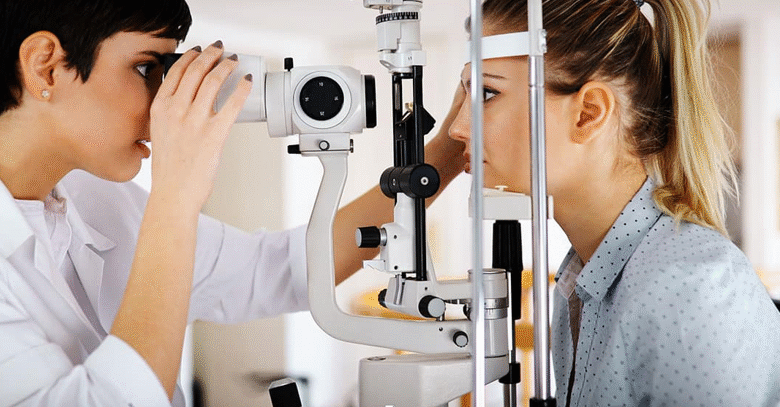
Even though it is very important for our life, we don’t appreciate our eyesight until we have trouble seeing. A lot of changes have been made to how eyesight is tested thanks to medical screening devices and other improvements in healthcare technology.
Medical screening equipment makes it possible to do quick, accurate exams that aren’t too painful. These exams can find early signs of eye diseases and help keep eyes healthy in the long run.
In older forms of eye exams, proficiency tests and lamps were very important. However, as technology has improved in the field, these tools are no longer needed.


Modern screening tools from the Depisteo company allow ophthalmologists and optometrists to conduct exams with a high degree of precision, allowing them to identify problems in their earliest, symptom-free phases.
The Role of Medical Screening Devices in Modern Eye Exams
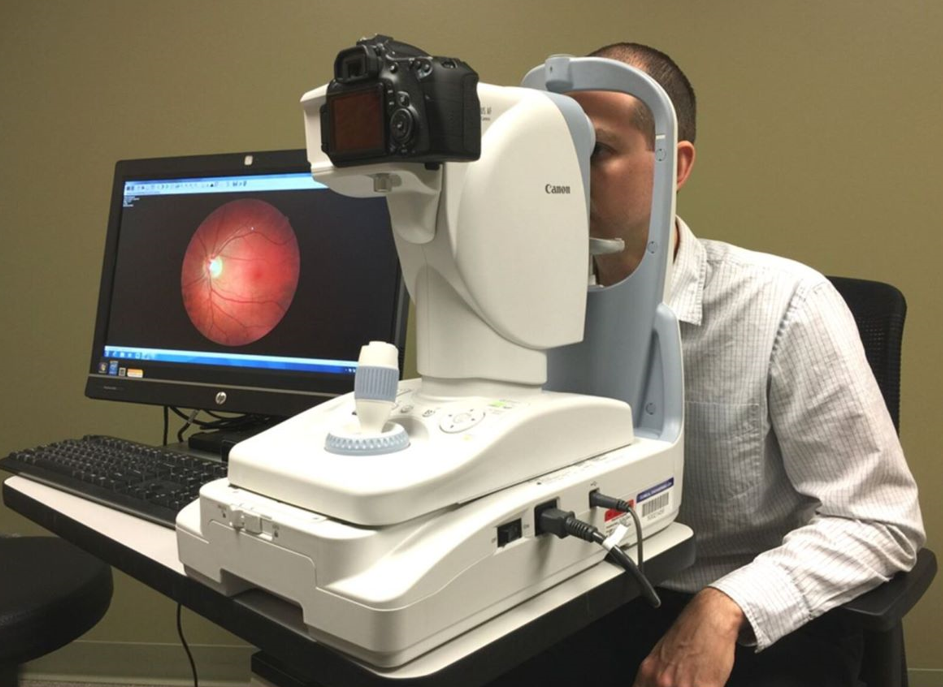
Medical vision exams use special equipment that can find, evaluate, and keep an eye on the health and function of the eyes. Instead of just writing prescriptions, medical screening tools give eye doctors a lot of information about the optic parts and how the eye works.
With their digital imaging and automated systems, these gadgets cut down on testing times, make sure that correct data is generated for complex eye exams, and get rid of medical mistakes. With these tools, it’s easier to do things that were previously impossible, like getting an exact diagnosis of glaucoma symptoms, scanning the retina, and checking for refractive error. Discover more here: https://www.scmp.com/lifestyle/health-wellness/article/3295083/what-amd-eye-condition-could-cause-blindness-and-only-eye-test-can-detect-it.
Accurate Measurement of Refractive Errors
An eye exam can identify four primary refractive defects: myopia, hyperopia, astigmatism, and presbyopia. The bending angle of the ocular lens can be measured using medical screening instruments like the autorefractor and wavefront aberrometer.
These tools have the potential to swiftly and precisely ascertain a person’s prescription, as opposed to the laborious procedure of trial-and-error lens testing. Children, the elderly, and others with visual impairments may find it especially helpful because they have trouble expressing their visual acuity.
Digital Retinal Imaging
Digital retinal cameras and fundus photography have made it possible for optometrists to capture high-resolution images of the optic nerve, blood vessels, and retinal back of the eye. Among the numerous eye disorders that these high-resolution photographs serve in detecting are diabetic retinopathy, macular degeneration, and retinal detachment.
The power of this approach is in its ability to make baseline comparisons throughout time. When the patient returns for follow-up visits, the doctor will be able to see the difference between the before and after photos.
Optical Coherence Tomography (OCT)
When it comes to modern eye care, optical coherence tomography (OCT) is state-of-the-art imaging technology. It uses light waves to produce cross-sectional images of the retina, revealing intricate details of the eye’s ocular structure. In order to detect conditions like glaucoma, macular edema, and optic nerve damage, this technology is necessary.
Because of its non-invasiveness and exceptional accuracy, OCT is utilized in both routine and expert eye exams. Several eye diseases can be prevented or treated to a lesser extent if detected in their early stages, and it helps with that process.
Visual Field Examination
For the diagnosis of neurological diseases, glaucoma, and other conditions affecting peripheral vision, automated visual field testing devices are invaluable. Both depth perception and peripheral vision, or the capacity to perceive objects beyond one’s direct field of vision, are evaluated in these screening exams.
By collecting measurable data, medical screening devices can localize sight loss to its precise spot. This allows eye doctors to better monitor their patients’ eyes for signs of damage and intervene when necessary to preserve their patients’ eyesight.
Screenings for Children’s Eyes and Vision
It might be challenging for children with visual impairments to articulate their thoughts and feelings. Here, portable photo screeners and pediatric vision screens become useful. These portable screening tools can identify several eye disorders in youngsters as early as strabismus (crossed eyes), lazy eye, and refractive abnormalities in a flash.
Because they enable the quick testing of many children and, if needed, the referral to further care, these instruments are appropriate for use in schools, pediatric offices, and community screenings.
Utilizing Medical Screening Tools for Eye Health
All it takes is 30 minutes with these tools to do an eye exam. The result is quicker treatment for critical cases and the ability to visit more people.
In order to get reliable findings, medical screening equipment do away with human interpretation and guesswork. As a result, the likelihood of a wrong diagnosis is decreased and treatment plans based on evidence are guaranteed.
Detection at an early stage is critical because many eye problems progress painlessly and slowly. When screening methods are improved, problems can be identified before they manifest. If you move swiftly, you can preserve your vision and get a better outcome. Read more on this page.
More and more, portable screening devices are being used in rural or underserved areas to give people who might not normally be able to get eye care access to professional-level eye exams. Some devices can even connect to telemedicine platforms, which lets doctors look at the data from afar.