Solar generator weight plays a more influential role in deployment decisions than many first-time users realize. Weight affects where the system can be used, how often it is moved, what types of activities it supports, and how efficiently a user can integrate it into daily or emergency routines. Whether powering a home workstation, supporting off-grid travel, or providing backup energy during outages, the system’s mass influences both practicality and independence. A model such as the Anker SOLIX F2000 Solar Generator + 400W Solar Panel demonstrates how thoughtful design and mobility features help users manage a generator weighing 67.2 lb / 30.5 kg while still benefiting from strong, stable power output.
Why Weight Matters in Real-World Deployment Decisions?
Mobility Needs Change Depending on Use Scenarios
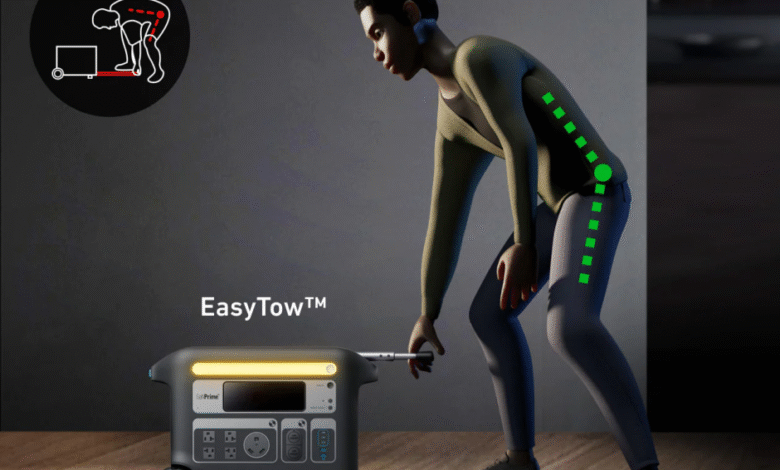
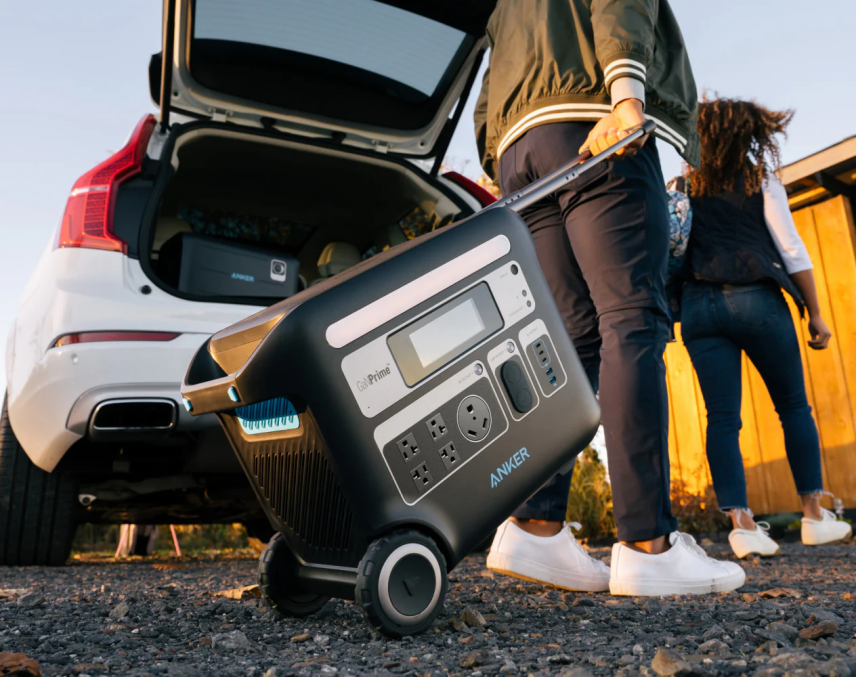
Users who move their systems frequently—such as RV travelers, builders, or outdoor enthusiasts—tend to prioritize portability. A heavier generator requires support features like wheels, handles, or carts to make deployment realistic. The Anker SOLIX F2000 Solar Generator + 400W Solar Panel addresses this by incorporating durable wheels and an EasyTow™ retractable handle, helping users transport the system even across longer distances or uneven terrain. For stationary home use, weight matters less because the generator typically stays in one place. This difference highlights how weight directly shapes user preferences. Those planning to relocate their system daily must consider ease of movement as a core factor before committing to a heavier unit.
Weight Influences Installation Locations and Surface Requirements
Where a solar generator sits affects ventilation, cable access, and charging efficiency. Heavier systems require more stable surfaces and may not be ideal for lightweight stands or narrow shelves. Users often deploy heavier models at ground level or in reinforced indoor areas. The Anker SOLIX F2000 Solar Generator + 400W Solar Panel, with its robust structure and impact-resistant exterior, allows users to place it confidently on patios, garages, RV floors, or workshop areas without worrying about minor bumps or drops. Weight becomes part of the planning process. A heavier system often feels more secure once positioned, reducing the likelihood of accidental movement. Deployment stability increases, though mobility demands more forethought.
Long-Term Use Scenarios Justify Heavier Equipment
Heavier solar generators typically offer larger batteries, stronger output capabilities, and more durable components, making them suitable for users prioritizing long-term, high-capacity performance. This trade-off makes sense for households needing dependable backup power or off-grid users who want sustained operation. A system like the Anker SOLIX F2000 Solar Generator + 400W Solar Panel supports continuous usage, strong AC output, and multiple device ports, confirming that weight can signal durability and capability. Users planning long-term installations—even in remote cabins or semi-permanent RV setups—often select heavier systems because they provide reliable performance for extended periods. The weight becomes less of a drawback and more of an indicator of long-lasting strength.
How Users Adapt Deployment Choices Based on Weight?
Transportation Strategies Evolve Around System Design
Users often adjust their transport strategy according to generator weight. Backpack-style power stations work well for hiking or short trips, while midrange units require hand-carrying. In contrast, heavier systems like the 67.2 lb Anker SOLIX F2000 Solar Generator benefit from structural aids built into the design. The integrated wheels enable rolling transport, reducing strain, while the retractable handle ensures ergonomic movement. These features allow users to deploy the generator over longer distances, through campsites, across parking lots, or within large homes. Mobility features transform weight management into an intuitive process. Even users who rarely move the system appreciate knowing that the generator remains manageable for occasional repositioning around the property.
See also: Technology in Commercial Cleaning: Innovations Shaping the Industry
Weight Shapes the Role a Generator Plays in Daily Routines
Lightweight systems typically power small tasks such as charging phones or running lights. Heavier systems expand the range of activities users take on, including powering tools, appliances, and essential home devices during outages. With the Anker SOLIX F2000 Solar Generator + 400W Solar Panel, users gain the capacity to support refrigerators, microwaves, and multiple high-demand items. Because of this capability, weight becomes directly tied to the generator’s purpose. Users planning to integrate a generator into daily routines often choose larger models because they perform consistently across many energy scenarios. The weight signals readiness for frequent, intensive use, helping households feel more confident during emergencies or extended off-grid periods.
Deployment Flexibility Grows With Stronger Build Quality
A heavier generator often includes reinforced casing, stronger internal components, and better thermal performance. These qualities expand where the generator can be safely deployed. The unibody drop-proof design of the Anker SOLIX F2000 Solar Generator + 400W Solar Panel shows how weight and durability work together. Users can place the generator outdoors temporarily, in RV storage compartments, or in workshop spaces without worrying about structural vulnerability. This level of ruggedness gives users more options in arranging their energy system. They can reposition it seasonally, pair it with solar panels in different areas, or store it securely between uses. Weight becomes a key contributor to overall physical resilience.
Conclusion
Solar generator weight plays a major role in determining mobility, installation options, long-term use strategies, and daily energy habits. Lighter systems offer convenience, but heavier units provide increased durability, larger storage capacities, and stronger output, making them versatile for home backup, off-grid living, and demanding tasks. A model such as the Anker SOLIX F2000 Solar Generator + 400W Solar Panel demonstrates how thoughtful engineering—wheels, retractable handles, reinforced casing—helps users manage a system weighing over 30 kg without sacrificing usability. As people rely more on renewable energy for work, travel, and emergency preparedness, weight becomes a strategic consideration that influences how solar generators are deployed and how effectively they support real-world energy needs.