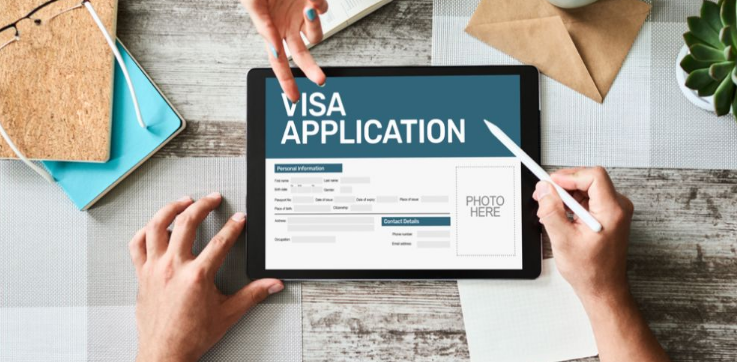
Visiting family in Indonesia is a common reason for foreign nationals to travel to the country, whether to reunite with relatives, attend family events, or simply spend quality time together. To ensure immigration compliance, Indonesia provides a specific Indonesia Family visa designed for non-commercial, short-term stays sponsored by Indonesian residents. Understanding the visa type, eligibility, sponsorship rules, and common mistakes is essential before submitting an application.
What Is a Visit Family in Indonesia Visa and Who Is Eligible?
A Indonesia Family Visa is a legal entry permit for foreign nationals who intend to visit family members residing in Indonesia. This visa is strictly for social or family-related purposes and does not allow employment, business activities, or long-term residence.
Eligibility generally applies to foreign citizens who have a Indonesia Family Visa with an Indonesian citizen or a foreigner holding a valid Indonesian stay permit (KITAS or KITAP). Eligible family connections usually include parents, spouses, children, siblings, or in-laws. In addition, foreign nationals visiting extended family may also qualify, provided the relationship can be clearly proven and formally sponsored.


This visa is suitable for short-term stays, typically for family visits, religious events, weddings, funerals, or other personal gatherings. Importantly, applicants must demonstrate genuine intent to visit family and show that the visit aligns with Indonesian immigration regulations.
Introducing the Single Entry General Family or Social Visa (C1)
The most commonly used visa for family visits is the Single Entry General Family or Social Visa, officially categorized as Visa C1. This visa allows a single entry into Indonesia and is initially valid for 60 days from the date of arrival.
One of the key advantages of the C1 visa is that it can be extended onshore at a local immigration office, usually up to four times, making the total stay up to 180 days. This flexibility makes it ideal for longer family visits without converting to a long-term stay permit.
However, the C1 visa remains a Indonesia Family Visa. Any form of paid or unpaid work, volunteering, or commercial activity is strictly prohibited. Immigration authorities closely monitor misuse, and violations may result in fines, deportation, or blacklisting.
Sponsorship Requirements and Relationship Documentation
Sponsorship is a mandatory requirement for a Indonesia Family Visa. The sponsor must be an Indonesian citizen or a foreigner legally residing in Indonesia with a valid KITAS or KITAP.
The sponsor is responsible for issuing a formal invitation letter, stating the purpose of the visit, duration of stay, and commitment to support the applicant during their time in Indonesia. In addition, a sponsorship statement confirming responsibility for accommodation, daily needs, and potential immigration issues is typically required.
Relationship documentation plays a critical role in visa approval. Common supporting documents include:
- Marriage certificates for spouses
- Birth certificates for parents or children
- Family cards
- Civil registry documents translated into English or Indonesian
- Passport and ID copy of the sponsor
All documents must be clear, consistent, and, when necessary, legally translated. Any discrepancy between names, dates, or relationship claims may raise red flags during the immigration review process.
See also: Some Of the Very Best Los Angeles Travel Attractions
Common Application Mistakes Made by Overseas Applicants
Despite the straightforward nature of the Indonesia family visa, many overseas applicants face delays or rejections due to avoidable errors.
One of the most common mistakes Indonesia Family Visa, such as applying for a tourist visa instead of a family-sponsored visa. This often leads to issues when extending the stay or explaining the purpose of visit to immigration officers.
Another frequent problem is incomplete or inconsistent documentation. Missing relationship proof, outdated civil records, or mismatched personal details can significantly weaken an application. Immigration officers prioritize document accuracy, and even small inconsistencies may cause rejection.
Applicants also often underestimate the importance of the sponsor’s role. A sponsor without valid residency status, incomplete identification, or unclear responsibility statements can invalidate the entire application.
Additionally, some applicants Indonesia Family Visa assume that overstaying or previous visa misuse will be overlooked. In reality, Indonesia maintains a strong immigration database, and past violations may negatively affect current applications.
Finally, misunderstanding extension rules is another issue. While the C1 visa is extendable, extensions must be processed on time and through proper immigration channels. Late extensions or unauthorized activities during the stay can result in penalties.
Conclusion
A Indonesia Family Visa, particularly the family immigration Indonesia, provides a legal and flexible way for foreign nationals to reunite with family in Indonesia. By understanding eligibility criteria, meeting sponsorship requirements, preparing accurate relationship documentation, and avoiding common mistakes, applicants can significantly improve their chances of approval. Careful preparation and compliance with immigration rules remain the key to a smooth and successful family visit in Indonesia.