Key Takeaways
- Understand the differences between mobile, manufactured, and modular homes.
- Assess the financial implications, including costs and financing options.
- Evaluate the pros and cons to determine if a mobile home suits your needs.
Table of Contents
- Understanding Mobile Homes
- Financial Considerations
- Pros and Cons of Mobile Homes
- Location and Community Factors
- Long-Term Value and Resale Potential
- Legal and Regulatory Considerations
- Making Your Decision
If you are considering a mobile home for your next residence, you probably have a lot of questions about whether this housing option fits your lifestyle, budget, and long-term needs. This comprehensive guide is designed to walk you through everything you should know, helping you make an informed decision for your future. If you are researching options in Texas, you may also want to explore opportunities with We Buy Mobile Homes in Dallas, TX, a local resource for buying and selling manufactured homes.
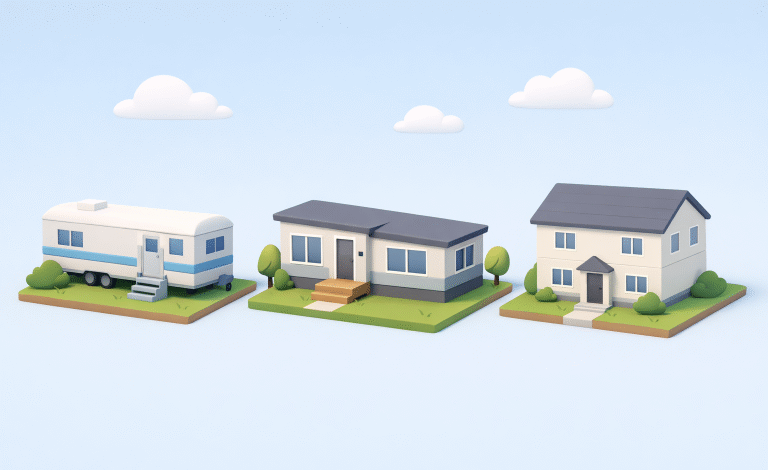
Mobile homes are sometimes misunderstood, but understanding their construction and unique attributes is essential for making the right choice. These homes, built in factories on a permanent frame, can be placed on land you own or lease. They are different from modular homes, which are also prefabricated but assembled on a permanent foundation to meet local building codes.
The distinction between mobile, manufactured, and modular homes may influence your financing, resale value, and even where you can legally place your home. Knowing these differences early can save you from costly mistakes later. For those wanting to explore all exit strategies, check out resources that can help you Sell Your Dallas Texas Mobile Home.


Understanding Mobile Homes
Mobile homes, more accurately known today as manufactured homes, have evolved significantly in recent decades. Constructed according to the HUD Code established in 1976, manufactured homes are held to strict federal standards for design, construction, and safety. This differs from modular homes that adhere to local state or city building codes and are assembled on-site section by section, giving them characteristics closer to traditional houses.
Placement flexibility is another hallmark of mobile homes. Buyers can opt for sites in established mobile home parks or set their homes on private property. Each location type has its own considerations, ranging from community amenities to regulatory constraints.
Financial Considerations
The primary appeal of mobile home living is generally affordability. According to the Manufactured Housing Institute, newly built manufactured homes often cost less per square foot than site-built homes, making them attractive to first-time buyers and those seeking affordable living. However, while the upfront price is lower, financing can pose hurdles. Since many mobile homes are viewed as personal property rather than real estate, they may not qualify for traditional mortgages if not placed on a permanent foundation. Instead, buyers often turn to personal property or chattel loans, which typically carry higher interest rates and shorter terms than conventional home loans.
It is also important to factor in ongoing costs such as lot rent (if placed in a mobile home community), maintenance, and utilities setup, which can vary widely by region and property type.
Pros and Cons of Mobile Homes
Carefully weigh the benefits and trade-offs before making your decision.
Pros
- Affordability: Manufactured homes come with a lower initial purchase price compared to site-built properties, making homeownership more attainable for many people.
- Flexibility: Since they are factory-built, mobile homes can often be relocated, giving owners options if their circumstances change and they need to move.
- Quick Installation: The construction process is expedited in a factory-controlled environment, often allowing for a faster move-in timeline than traditional houses.
Cons
- Depreciation: Unlike traditional homes, which often increase in value over time, mobile homes tend to depreciate, much like vehicles.
- Financing Challenges: Many lenders do not offer standard mortgages for mobile homes, which can make longer-term financing less accessible.
- Land Costs: Placement on leased land involves ongoing lot rent in addition to your home expenses, which can add up over time.
Location and Community Factors
Location is critical when considering a mobile home. One major decision is whether to place your home in a mobile home park or on private land. Parks offer a sense of community and may feature amenities such as clubhouses, playgrounds, and on-site management. However, they usually come with monthly lot fees and community rules, sometimes limiting what homeowners can do with their property. For specific requirements, visit This Old House’s mobile home guide.
Choosing private land gives you greater autonomy and avoids lot rent, but may require significant investment in land preparation, utility hookups, and compliance with local zoning laws.
Long-Term Value and Resale Potential
A key consideration in mobile home investment is potential depreciation. Unlike most traditional houses, manufactured homes typically lose value over time unless placed on permanent foundations and on owned land. Factors such as the age and condition of the home, upgrades made, and community desirability can influence resale value. Routine maintenance and strategic upgrades can help retain value for longer and attract future buyers.
Legal and Regulatory Considerations
Due diligence before purchasing is crucial. Local zoning laws, building codes, and homeowners’ association regulations can all affect where you can place or what you can do with your mobile home. In some cities or neighborhoods, there are restrictions on mobile homes or requirements for permanent foundations. Familiarize yourself with state and local codes and contact your local housing authority to ensure you can legally place your manufactured home on your desired property.
Making Your Decision
Ultimately, choosing a mobile home requires an honest assessment of your finances, future plans, and lifestyle preferences. Consider your long-term housing needs, potential resale plans, and how much flexibility you want regarding the location of your home. Consultation with real estate professionals or mobile home specialists can help clarify your options and guide you toward the right choice for your situation.