Tattooing is a creative form of body art that requires patience, precision, and proper training. For people interested in learning this skill, choosing the right tattoo kit for beginners is an important first step. A beginner-friendly kit introduces essential tattoo equipment and helps new artists understand how different tools work together.
Whether someone wants to explore tattooing as a hobby or develop professional skills, understanding the equipment, safety requirements, and basic techniques is necessary. A suitable starter kit can support learning, especially when combined with practice materials and professional guidance.
This guide explains what a tattoo kit for beginners includes, how to choose suitable equipment, the importance of hygiene, and practical ways to develop tattooing skills.

What Is a Tattoo Kit for Beginners?
A tattoo kit for beginners is a collection of basic tools and accessories designed for people who are new to tattooing. These kits typically include a tattoo machine, power equipment, needle cartridges, practice materials, and other essential supplies.
Unlike professional equipment packages that may contain advanced accessories, beginner kits generally focus on equipment that is easier to understand and operate.
The main purpose of a starter kit is to help learners become familiar with tattooing tools before attempting more advanced techniques.
See also: Smart Living: The Benefits of Renting Home Appliances
Understanding the Purpose of a Beginner Tattoo Kit
Learning tattooing involves more than creating attractive designs. Artists must understand machine operation, needle configurations, skin anatomy, sanitation, and proper equipment handling.
A beginner tattoo kit provides a starting point for equipment familiarization and controlled practice on synthetic skin.
However, owning a tattoo kit does not automatically qualify someone to tattoo human skin. Proper training in infection prevention, bloodborne pathogens, and tattoo application remains essential.
Essential Components of a Tattoo Kit for Beginners
Different manufacturers offer various combinations of tools. Understanding the purpose of each component helps beginners select equipment that supports their learning needs.
Tattoo Machine
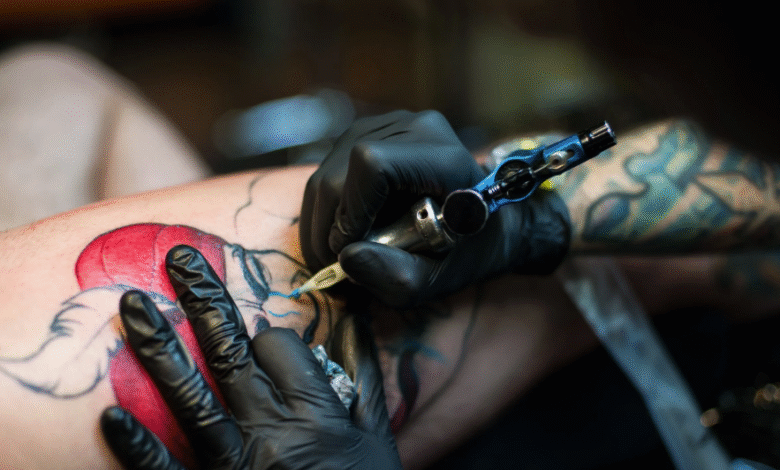
The tattoo machine is the central component of a tattoo kit. It controls the movement of tattoo needles during the application process.
Two commonly available machine types are rotary and coil machines.
Rotary machines use a motor-driven mechanism to move the needle. Many beginners prefer them because they are relatively quiet, lightweight, and easy to handle.
Coil machines use electromagnetic coils to create needle movement. They have a traditional design and may require more adjustment and maintenance.
For many new learners, a rotary pen-style machine is a convenient option because of its comfortable grip and straightforward design.
Power Supply and Connection Accessories
A tattoo machine needs a reliable power source to operate correctly.
Some kits include a separate power supply with adjustable settings, while others feature rechargeable wireless machines.
A stable power supply helps maintain consistent machine performance during practice.
Beginners should carefully follow manufacturer instructions regarding compatible voltage settings, charging procedures, and electrical connections.
Tattoo Needle Cartridges
Tattoo needle cartridges are available in different configurations for specific artistic purposes.
Common categories include:
- Round liners for creating outlines and fine details.
- Round shaders for small shading areas.
- Magnum configurations for filling larger areas and creating smooth shading effects.
Beginners should learn how these configurations differ before working with them.
Needles intended for human tattooing must be sterile, single-use, and properly packaged. Used needles should never be reused.
Tattoo Ink
Tattoo ink is another essential component of tattoo equipment.
Some beginner kits include basic ink colors, while others provide black ink suitable for learning different artistic concepts.
Ink quality matters because tattoo pigments must be manufactured specifically for their intended use.
For synthetic skin practice, beginners can use products clearly labeled for practice purposes. Practice inks should never be used on human skin unless they are specifically intended and appropriately manufactured for that use.
Practice Skin
Synthetic practice skin is particularly valuable for beginners because it allows them to develop technical skills without working on people.
These sheets are designed to imitate certain characteristics of human skin, although they cannot fully reproduce its structure or behavior.
Beginners can use practice skin to become familiar with machine movement, line consistency, and basic shading patterns.
Regular practice also helps improve hand coordination and confidence.
Additional Accessories
Depending on the manufacturer, a tattoo kit may include disposable ink caps, machine covers, grip accessories, transfer paper, and cleaning supplies.
These accessories support equipment organization and help learners understand the professional tattooing workflow.
However, many starter kits do not include all the supplies needed for proper infection control.
Why Tattoo Kits for Beginners Are Becoming Popular
Interest in tattooing has expanded as body art has become more visible across fashion, entertainment, and social media.
Many people now explore tattoo design as a potential artistic career or creative skill.
Growing Interest in Creative Careers
Tattooing combines visual art with technical ability. Individuals who enjoy drawing, illustration, and design may find tattoo artistry an interesting professional direction.
A beginner kit provides an opportunity to explore equipment handling while developing an understanding of the tattooing process.
Access to Learning Resources
Educational videos, training programs, and professional workshops have made information about tattoo equipment more accessible.
Beginners can learn general concepts about machine types, equipment maintenance, design preparation, and studio hygiene.
However, online tutorials should supplement rather than replace professional instruction, particularly for procedures involving human skin.
Availability of Compact Equipment
Modern tattoo machines are available in smaller and more portable designs.
Wireless rotary machines, ergonomic grips, and cartridge-based systems have made certain aspects of equipment handling easier for new learners.
These features can make practice sessions more convenient and organized.
Key Features to Look for in a Tattoo Kit for Beginners
Not every tattoo kit provides the same quality or functionality. Selecting equipment carefully can help beginners avoid unnecessary difficulties.
Comfortable and Lightweight Design
A tattoo machine should feel balanced and comfortable in the hand.
Heavy or poorly balanced equipment may cause fatigue during extended practice sessions.
An ergonomic machine allows beginners to concentrate on controlled movements and consistent hand positioning.
Reliable Machine Performance
A suitable tattoo machine should operate consistently without excessive vibration or irregular movement.
Consistent performance helps beginners understand how the equipment responds during practice.
Choosing equipment from a manufacturer that provides clear instructions and replacement parts can also be beneficial.
Adjustable Operating Settings
Some tattoo machines offer adjustable power settings and stroke options.
These features provide flexibility for different artistic techniques.
Beginners should understand the manufacturer’s operating recommendations before making adjustments.
Compatibility With Standard Accessories
A beginner-friendly machine should support commonly available compatible cartridges and accessories.
Compatibility makes it easier to replace supplies and continue practicing without purchasing an entirely new equipment system.
Clear Instructions and Product Support
Instruction manuals, maintenance guidance, warranty information, and responsive customer support are valuable features.
These resources can help beginners identify equipment issues and learn appropriate maintenance procedures.
Benefits of Using a Tattoo Kit for Beginners
A well-selected starter kit can provide several practical benefits during the early stages of learning.
Familiarity With Professional Tools
Using a tattoo machine during synthetic skin practice helps learners understand its weight, handling, vibration, and operating characteristics.
This familiarity can make later supervised training more productive.
Improved Hand Coordination
Tattooing requires steady movement and precise control.
Practicing basic shapes, straight lines, and curved patterns on synthetic skin can improve coordination and develop greater awareness of hand positioning.
Better Understanding of Tattoo Equipment
Working with different practice materials and compatible accessories helps beginners recognize how individual components affect machine handling.
This knowledge is useful when selecting specialized equipment in the future.
Convenient Learning Environment
A basic kit allows beginners to organize a dedicated practice area and develop a consistent learning routine.
Practice sessions can focus on drawing skills, design transfers, machine familiarity, and equipment care.
How to Choose the Right Tattoo Kit for Beginners
Choosing a suitable kit requires considering learning goals, equipment quality, and safety rather than focusing only on price.
Identify Your Learning Goals
Some beginners want to learn basic machine handling, while others plan to pursue professional tattoo training.
For equipment familiarization and synthetic skin practice, a simple rotary machine with compatible accessories may be sufficient.
Individuals planning a professional career should also investigate reputable apprenticeships and recognized hygiene training.
Examine the Equipment Quality
Before purchasing a kit, review the manufacturer’s product specifications.
Look for information about construction materials, machine compatibility, power supply requirements, and maintenance procedures.
Well-documented equipment is generally easier to understand and maintain.
Consider the Total Cost
The initial purchase price is only one part of the overall expense.
Replacement cartridges, practice skin, protective barriers, suitable cleaning products, and professional training can add to the total cost.
Choosing the cheapest package may not provide the best learning experience if essential accessories are missing.
Review Safety Information
Products intended for skin penetration require particular attention to hygiene and manufacturing standards.
Beginners should check whether cartridges are individually sterile-packaged and whether tattoo inks have appropriate labeling, batch identification, and manufacturer information.
Unlabeled or questionable supplies should be avoided.
Importance of Hygiene and Safety in Tattooing
Safety is one of the most important subjects for anyone interested in tattooing.
Tattooing involves repeated skin penetration, which creates opportunities for infection and bloodborne pathogen transmission when proper precautions are not followed.
Understanding Infection Risks
Poor sanitation can expose people to bacterial infections and bloodborne illnesses, including hepatitis B and hepatitis C.
Contaminated ink, improperly handled needles, and unclean work surfaces can also create health risks.
This is why tattooing should be performed only by appropriately trained individuals following applicable health regulations.
Single-Use Equipment
Needles and cartridges used during human tattooing must never be shared or reused.
Sharps must be discarded immediately after use in approved puncture-resistant sharps containers.
Other disposable materials should be handled according to professional infection-control procedures.
Cleaning and Equipment Maintenance
Reusable equipment must be cleaned and disinfected or sterilized as appropriate for its intended use and the manufacturer’s instructions.
Not every component can be made safe for reuse through ordinary surface cleaning.
Professional tattoo training explains the difference between cleaning, disinfection, and sterilization.
Professional Training Matters
A beginner tattoo kit is not a substitute for professional instruction.
Before tattooing human skin, artists need practical training in aseptic technique, cross-contamination prevention, skin assessment, sharps handling, and local licensing requirements.
Supervised learning provides a safer foundation than attempting procedures without experience.
How Beginners Can Practice With a Tattoo Kit
Developing tattooing skills requires a gradual learning process that emphasizes artistic ability, equipment knowledge, and safe habits.
Begin With Drawing Fundamentals
Before using a tattoo machine, beginners should practice drawing lines, shapes, lettering, and simple patterns.
Good drawing skills help artists understand proportions, spacing, composition, and design balance.
These fundamentals are useful across almost every tattoo style.
Use Synthetic Practice Skin
Synthetic skin offers a controlled surface for learning basic equipment handling.
Beginners can practice creating straight lines, following curves, and maintaining consistent movement.
This allows learners to identify areas for improvement without putting another person at risk.
Practice Different Design Styles
After becoming comfortable with simple patterns, beginners can explore geometric designs, lettering, floral illustrations, and other artistic subjects.
Practicing different styles helps develop versatility and an understanding of design complexity.
Evaluate Practice Results
Beginners should examine their completed practice designs for uneven lines, inconsistent spacing, and areas requiring better control.
Photographing practice work can also help track improvement over time.
Constructive feedback from experienced tattoo artists is especially valuable.
Common Mistakes Beginners Should Avoid
New learners often focus heavily on the tattoo machine while overlooking other important aspects of the craft.
Choosing Equipment Based Only on Price
An inexpensive kit may seem attractive, but poorly constructed components can create frustration and unreliable performance.
Beginners should prioritize reliable equipment, clear documentation, and suitable practice accessories.
Skipping Basic Art Practice
Tattooing requires strong artistic fundamentals.
Learning machine handling without improving drawing skills can limit progress.
Regular sketching and design exercises should remain part of the training process.
Ignoring Equipment Instructions
Different machines have different operating requirements.
Using incompatible accessories or settings outside manufacturer recommendations may damage the equipment.
Reading product documentation helps beginners avoid these problems.
Attempting Human Tattooing Too Early
Practicing successfully on synthetic skin does not mean someone is ready to tattoo people.
Human skin has biological characteristics that practice materials cannot reproduce.
Beginners should avoid tattooing themselves or others until they have received suitable professional training and meet applicable legal and hygiene requirements.
Tattoo Kit for Beginners vs. Professional Tattoo Equipment
Beginner and professional tattoo equipment often share similar basic components, but they may differ in design, durability, customization, and intended use.
Beginner kits typically provide essential equipment in a convenient package. They are intended to introduce learners to machine handling and basic artistic practice.
Professional artists often select individual machines, power systems, and accessories based on experience and specific working requirements.
Professional equipment may include advanced adjustment options, specialized configurations, and features designed for demanding studio environments.
However, equipment labeled as professional is not automatically safer or more effective. Product quality, compatibility, correct use, and operator training are more important than marketing labels.
For beginners, a reliable starter kit combined with structured education is generally more useful than purchasing expensive equipment without understanding its purpose.
Maintaining Your Beginner Tattoo Kit
Proper maintenance helps protect equipment and maintain consistent performance.
Store Equipment Properly
Tattoo machines and accessories should be stored in a clean, dry location.
Protecting equipment from moisture, dust, and accidental damage can extend its usable life.
Inspect Components Regularly
Before practice sessions, inspect the machine, electrical connections, and accessories for visible damage.
Damaged or malfunctioning components should not be used.
Follow Manufacturer Cleaning Instructions
Different equipment components may require different cleaning methods.
Beginners should follow the manufacturer’s maintenance guidance and avoid using chemicals or liquids that could damage electrical parts.
Keep Supplies Organized
Organizing cartridges, practice materials, power accessories, and disposable supplies helps create an efficient workspace.
Sterile supplies should remain sealed until their intended use, and products should be stored according to their labeling.
The Future of Tattoo Kits for Beginners
Tattoo equipment continues to evolve as manufacturers introduce improved machine designs and learning accessories.
Compact rotary systems, rechargeable devices, and more ergonomic equipment are becoming increasingly common.
These developments may make equipment handling more convenient for learners.
At the same time, greater awareness of hygiene and professional standards is likely to influence how beginner products are designed and marketed.
Educational resources may also become more structured, with increased emphasis on supervised training, realistic practice materials, and responsible equipment use.
Regardless of technological improvements, artistic skill, infection prevention, and professional education will remain central to safe tattooing.
Frequently Asked Questions About Tattoo Kit for Beginners
1. What Should a Tattoo Kit for Beginners Include?
A tattoo kit for beginners should include a reliable tattoo machine, compatible power equipment, practice cartridges, synthetic practice skin, and clear operating instructions. Additional accessories may include transfer materials, disposable ink caps, and protective supplies.
2. Is a Rotary Tattoo Machine Good for Beginners?
A rotary tattoo machine can be a suitable choice for beginners because many models are lightweight, relatively quiet, and straightforward to operate. The best option depends on comfort, equipment quality, compatibility, and learning goals.
3. Can Beginners Practice Tattooing at Home?
Beginners can practice drawing, machine handling, and tattoo designs on synthetic skin at home. Tattooing human skin requires professional training, appropriate infection-control procedures, and compliance with relevant local regulations.
4. How Long Does It Take to Learn Tattooing?
The learning period varies depending on artistic background, practice frequency, and training quality. Basic equipment familiarity may develop relatively quickly, but professional tattooing skills usually require extensive supervised practice and experience.
5. Do Beginner Tattoo Kits Include Tattoo Ink?
Many beginner tattoo kits include tattoo ink, but the type and quality vary by manufacturer. Some kits contain ink intended only for practice surfaces. Always check the product labeling and never use practice-only ink on human skin.
6. What Is the Most Important Thing to Consider When Buying a Beginner Tattoo Kit?
Equipment reliability, compatibility, safety information, and availability of suitable practice materials are important considerations. Beginners should also remember that professional education and hygiene training are essential before working on human skin.
Conclusion
Choosing the right tattoo kit for beginners can make the early learning experience more organized and productive. A suitable starter kit introduces essential equipment, supports machine familiarization, and allows learners to develop basic artistic skills through practice on synthetic materials.
Understanding machine types, needle configurations, equipment quality, and maintenance requirements helps beginners make informed purchasing decisions. Consistent drawing practice and constructive feedback also play important roles in skill development.
Most importantly, tattooing is a procedure that requires serious attention to hygiene, safety, and professional responsibility. By combining a quality tattoo kit for beginners with structured training and responsible practice, aspiring artists can build a strong foundation for future development in tattoo art.