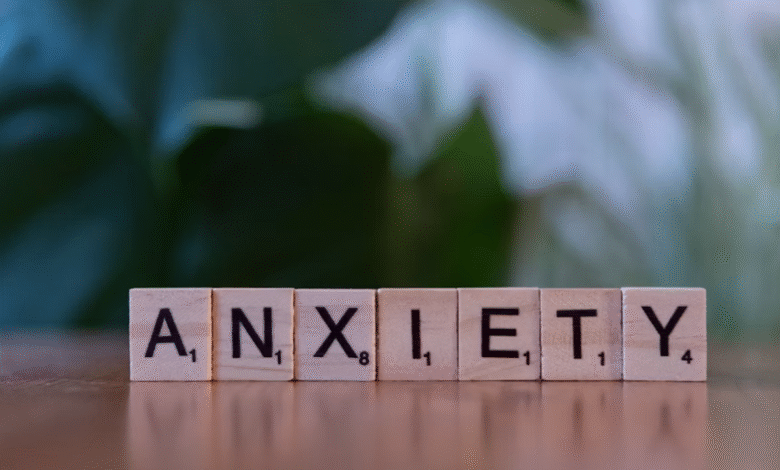
Do you know that feeling when anxiety isn’t only in your head but almost starts showing up physically, too? Like higher pulse, chest tightness, or some restless energy, you know the kind that then makes everything feel, honestly, just a little too much. It’s weird because it’s not just mental, it’s almost like your body is replying to it, and after that, it’s harder to think straight.
It turns out the connection between thoughts and physical symptoms is far closer than one would think. And thus approaches such as CBT for anxiety in Melbourne are becoming increasingly popular, not simply because they seem like a great idea but because they can actually be useful.
When you shift the way you think about a thing, it somehow makes it possible to alter the way it shows up physically. Sounds wild, right? Let’s get into how that happens, step by step, and also how someone can start doing it for themselves, in a real way, not just as a quote.


The Mind-Body Connection in Anxiety
Anxiety isn’t only “in your head.” When your brain spots a threat – real or sort of imagined, it triggers a physical response. It’s basically your body’s natural fight or flight system, sort of kicking in, without asking your permission.
So, here’s a real question for you…What kind of thoughts show up most often in your mind when you feel anxious?
Usually, they’re bleak, or they get amped up way too much, like “I’m going to fail” or “Something bad is definitely going to happen.”
Those thoughts act like a danger signal for your brain. Then it sends stress messages through your body. That’s why shifting your thinking habits can actually change how your body responds, not just how you feel mentally.
What Does It Mean to Reframe Thoughts?
Reframing means looking at something from a new point of view, which is a much more objective view. People often mistake refocusing for turning a blind eye to issues, but that is far from the truth; refocusing means assessing the credibility of your perception or, to put it simply, mental trash.
Like, for instance:
- Instead of telling yourself “I can’t handle this”, you could try pausing and asking, “What’s one small step I can take, right now ?”
- And rather than saying “Everything is going wrong,” you could switch it to “I have met setbacks before, and maybe I can respond with something.”
Programs such as CBT for anxiety lean quite a lot on this method, which helps people spot unhelpful mental habits and then swap them out for something more realistic.
How Reframing Changes Physical Symptoms
Here’s where it gets interesting. When you shift your thoughts, your brain no longer perceives the same level of threat. As a result:
- Your heart rate may slow down
- Muscle tension can reduce
- Breathing becomes more regular
- You feel a sense of control returning
Think about it: if your mind says, “I’m safe,” your body listens.
Try this short exercise:
The next time you experience anxiety, stop and ask yourself, “What is it that I’m telling myself?” Challenge this thought. Can you sense a slight release in tension?
See also: Why Vision Screeners Matter for Our Health
Making It a Daily Habit
Reframing is not a one-off solution; it’s a learned skill that develops with practice.
Here are some ways to begin the process:
- Put it on paper: Write down your anxious thoughts and then reframe them
- Take time out: Give yourself time to reflect before responding
- Get curious, not judgmental: Approach your thoughts as theories, not truths
Many people working through CBT for anxiety find that consistent practice leads to noticeable improvements not just mentally, but physically as well.
Conclusion
Anxiety can feel really intense, it takes over your whole body, and still you are not entirely powerless. When one learns how to reframe their thoughts, there is the ability to minimise the physical effects and almost push oneself back into a calm state of mind. It is a minor adjustment to make, but it does make quite an effect. It helps with building up resilience little by little over time, not right away, and it won’t just vanish after one single attempt.