Understanding the Basics of REM Sleep
If you’ve ever wondered, “What Happens During REM Sleep?” you’re definitely not alone. REM sleep—short for Rapid Eye Movement sleep—is one of the most fascinating stages of your sleep cycle. It’s where your mind becomes active, dreams take shape, and essential brain processes unfold. Even though your body appears at rest, your brain is in one of its busiest states. Understanding this stage helps you see why quality sleep is not just important—it’s essential.
How REM Sleep Fits Into Your Sleep Cycle
Your sleep isn’t one long, blended experience; it’s made of four repeating stages. REM sleep is the final stage, typically kicking in about 90 minutes after you fall asleep. Throughout the night, these REM phases grow longer, with the longest one occurring just before you naturally wake up. Adults spend about 20–25% of their night in REM, while babies spend nearly half their sleep in it.
Why the Brain Shifts Into REM Mode
Scientists believe the brain enters REM for several reasons:


- To process memories
- To organize emotions
- To create neural connections
- To stimulate brain development, especially in infants
In simple terms, REM sleep acts like your brain’s “night shift,” working quietly behind the scenes.
See also: Smart Living: The Benefits of Renting Home Appliances
What Happens During REM Sleep Inside the Brain?
Now let’s explore exactly what’s going on in your brain during this remarkable stage.
Rapid Eye Movement Explained
During REM sleep, your eyes dart back and forth at lightning speed beneath your eyelids. This movement reflects the brain activity involved in dreaming. While your eyes are moving, your body stays still—almost as if it knows not to act out the scenes in your dreams.
Increased Brain Activity and Dream Formation
Here’s the amazing part: your brain is nearly as active during REM sleep as it is when you’re awake.
What’s happening?
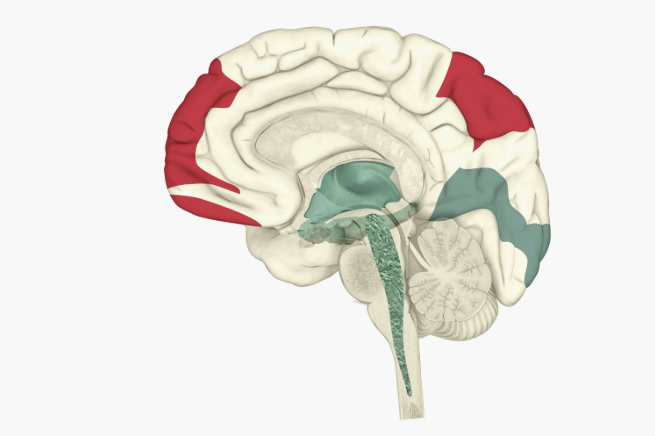
- The visual centers of the brain light up.
- The emotional centers, especially the amygdala, become highly active.
- The prefrontal cortex, responsible for logic, quiets down.
This unusual mix explains why dreams are vivid, emotional, and sometimes downright strange.
How Memory Processing Occurs in REM Sleep
During REM sleep:
- Short-term memories are sorted.
- Important information moves to long-term storage.
- Unnecessary details are removed.
Think of REM as a mental “file organization system.” Learning a new skill or studying becomes easier when your REM cycles are healthy.
What Happens During REM Sleep Inside the Body?
While the brain buzzes with activity, the body does something surprising.
Muscle Atonia: Why Your Body Temporarily Paralyzes
During REM sleep, your muscles become almost completely relaxed. This phenomenon—called muscle atonia—keeps you from physically acting out your dreams. It’s a built-in safety feature. Without it, people might injure themselves in their sleep.
Heart Rate and Breathing Changes
Your body takes a roller-coaster ride during REM sleep:
- Your heart rate may increase or become irregular.
- Breathing becomes faster and sometimes shallow.
- Blood pressure rises.
These changes mirror what happens when you’re emotionally charged while awake.
Hormone Regulation During REM
Several essential hormones are tuned during REM sleep:
| Hormone | Role During REM Sleep |
|---|---|
| Cortisol | Regulated to support morning alertness |
| Melatonin | Begins declining as the night progresses |
| Acetylcholine | Increases brain activity for dreaming |
Each hormone assists in balancing your internal rhythms.
Why REM Sleep Is Important for Mental and Emotional Health
Skipping out on REM is like skipping out on mental self-care.
Emotional Regulation and Stress Relief
During REM sleep, the brain processes emotional memories. This stage helps reduce emotional intensity, making stressful experiences easier to manage the next day. Without enough REM sleep, people may feel:
- Irritable
- Anxious
- Easily overwhelmed
Cognitive Benefits and Learning Support
REM sleep boosts:
- Creativity
- Problem-solving skills
- Decision-making
It’s no wonder many artists, musicians, and writers say their best ideas come after a good night’s sleep.
Factors That Can Disrupt REM Sleep
Even though REM is vital, many things can interfere with it.
Sleep Disorders That Affect REM Cycles
Some common issues include:
- Sleep apnea, which interrupts REM phases
- Narcolepsy, which causes sudden REM episodes
- REM sleep behavior disorder, where muscle atonia fails
Each of these conditions can disrupt healthy sleep patterns.
Lifestyle Habits That Reduce REM Quality
Some everyday habits can harm REM sleep:
- Drinking alcohol before bed
- Using digital devices too late
- High stress levels
- Poor sleep schedules
The good news? Most of these habits are fixable.
How to Improve REM Sleep Naturally
You can take simple steps to enhance this powerful sleep stage.
Sleep Hygiene Techniques
Try these:
- Stick to a consistent bedtime.
- Keep your room dark and cool.
- Limit caffeine late in the day.
- Remove distracting noise and electronics.
Foods and Habits That Support Better REM Sleep
Some nutrients support brain activity and hormone balance:
- Magnesium-rich foods
- Herbal teas like chamomile
- Omega-3 fatty acids
- Light evening stretching
For more tips, you can explore resources like the Sleep Foundation: https://www.sleepfoundation.org
Frequently Asked Questions About REM Sleep
1. Do you dream only during REM sleep?
Mostly, yes—REM is where vivid dreaming happens, though light dreams can occur in other stages.
2. How long does REM sleep last?
The final REM cycle can last up to 60 minutes.
3. What happens if you don’t get enough REM sleep?
Lack of REM affects mood, memory, and concentration.
4. Does alcohol affect REM sleep?
Yes. Alcohol reduces and delays REM sleep.
5. Why do my eyes move during REM?
They follow the visual activity happening in your dreams.
6. Can you wake up during REM sleep?
You can, but you may feel groggy or confused.
Final Thoughts on What Happens During REM Sleep
Understanding What Happens During REM Sleep? shows just how vital this stage is for your brain and body. It supports memory, emotional health, creativity, and overall well-being. By improving your sleep habits, you can enjoy deeper, healthier, and more refreshing REM cycles every night.