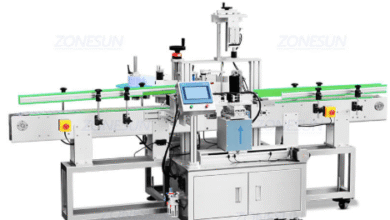
The Growing Importance of Automated Case Packer Systems
In modern manufacturing and packaging industries, efficiency, consistency, and speed determine competitiveness. Companies handling high-volume production lines are increasingly turning to advanced automation to reduce labor dependency and improve throughput. One of the most impactful solutions in secondary packaging is the automated case packer, a technology designed to streamline the process of loading products into cartons or cases with precision and speed.
This article explores the working principles, benefits, types, and industrial applications of automated case packing systems, helping businesses understand how to maximize productivity and ROI through advanced packaging automation.
What is an Automated Case Packer?
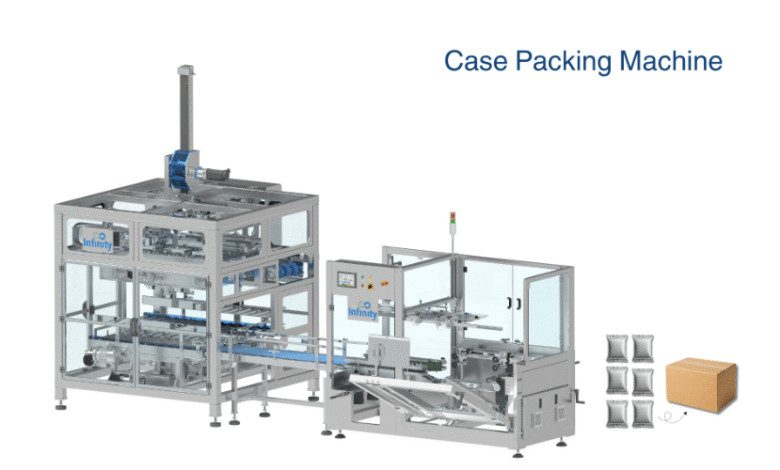
An automated case packer is a specialized packaging machine designed to automatically arrange, orient, and load products into shipping cases or cartons. It eliminates manual labor by using robotic arms, conveyors, sensors, and programmable logic controllers (PLCs) to execute precise packing operations.

These machines are engineered to handle a wide variety of product types, including bottles, cartons, pouches, sachets, cans, and bundled items. Depending on the configuration, a case packer can perform top-load, side-load, or wrap-around packing styles.
By integrating an automated case packer system into production lines, manufacturers can ensure consistent packaging quality, reduce product damage, and significantly increase operational efficiency.
Key Benefits of Automated Case Packer Equipment
Investing in packaging automation delivers measurable advantages across multiple operational areas. The most important benefits include:
1. Increased Production Speed
Automated systems operate continuously at high speeds without fatigue. This ensures stable output levels even during peak demand cycles.
2. Reduced Labor Costs
By minimizing manual intervention, companies can significantly reduce workforce requirements in packing departments, lowering long-term operational expenses.
3. Improved Accuracy and Consistency
The automated case packer ensures that every product is packed with uniform orientation and placement, reducing errors and product damage.
4. Enhanced Workplace Safety
Automation reduces the need for repetitive lifting and handling, minimizing workplace injuries and improving ergonomics.
5. Scalability for Growth
As production demands increase, automated systems can be upgraded or expanded without major restructuring of the production line.
Types of Automated Case Packer Systems
Different industries require different packing solutions. The most common types include:
Top Load Case Packers
These systems load products from above into open cartons. They are ideal for fragile or irregularly shaped products that require careful handling.
Side Load Case Packers
In this configuration, products are pushed horizontally into cases. It is widely used in beverage and consumer goods industries.
Wrap-Around Case Packers
This type forms a case around the product itself, reducing material usage and improving packaging stability.
Robotic Case Packers
Advanced robotic systems use articulated arms and vision systems for high flexibility. A robotic automated case packer is suitable for complex packaging patterns and multi-SKU environments.
Key Features of Modern Automated Case Packer Systems
Modern packaging automation includes several advanced features designed to enhance performance:
- PLC-based control systems for precise operation
- Servo-driven motion for accuracy and speed
- Integrated vision inspection systems for quality control
- Adjustable product handling for multiple SKUs
- Touchscreen HMI interfaces for easy operation
- Real-time monitoring and diagnostics
These features make the automated case packer equipment highly adaptable to dynamic production environments.
Industrial Applications of Automated Case Packer Technology
The versatility of case packing systems makes them essential across various industries:
Food and Beverage Industry
Used for packing bottles, cans, cartons, and packaged food items efficiently while maintaining hygiene standards.
Pharmaceutical Industry
Ensures precise packaging of medicine boxes, blister packs, and medical supplies with strict compliance requirements.
E-commerce and Logistics
Automates order fulfillment by efficiently packing multiple product types into shipping boxes.
Cosmetics and Personal Care
Handles delicate packaging of creams, perfumes, and cosmetic kits with precision.
Industrial Manufacturing
Used for heavy-duty packaging of hardware, tools, and mechanical components.
Across all these sectors, the automated case packer improves consistency, speed, and reliability.
Integration of Automated Case Packer in Production Lines
Integrating a case packing system requires careful planning to ensure smooth workflow synchronization. A typical setup includes:
- Product infeed conveyors
- Product grouping systems
- Case erectors and sealers
- Robotic or mechanical packing units
- Labeling and palletizing systems
When integrated properly, an automated case packer system becomes part of a fully automated end-of-line packaging solution, minimizing downtime and maximizing throughput.
ROI and Cost Efficiency of Automated Case Packer Systems
While initial investment in automation may seem significant, the long-term return on investment is substantial. Businesses benefit from:
- Lower labor costs
- Reduced product waste
- Faster production cycles
- Higher output consistency
- Minimal downtime and maintenance costs
Over time, companies using an automated case packer equipment report significant cost savings and improved operational margins. This makes it a strategic investment rather than just a capital expense.
How to Choose the Right Automated Case Packer
Selecting the right system depends on several factors:
Production Volume Requirements
High-speed production lines require robust and continuous-duty systems.
Product Type and Packaging Style
Fragile, irregular, or multi-format products require specialized configurations.
Floor Space Availability
Compact systems are ideal for facilities with limited space.
Level of Automation Required
From semi-automatic to fully robotic solutions, businesses must choose based on operational goals.
Integration Compatibility
The automated case packer should seamlessly integrate with existing conveyors and packaging machines.
See also: Technology in Commercial Cleaning: Innovations Shaping the Industry
Maintenance and Operational Efficiency
Proper maintenance ensures long-term performance and reliability. Key maintenance practices include:
- Regular inspection of mechanical components
- Lubrication of moving parts
- Software updates for control systems
- Calibration of sensors and robotic arms
- Preventive maintenance scheduling
Well-maintained systems reduce downtime and extend equipment lifespan, ensuring continuous productivity.
Future of Automated Case Packer Technology
The future of packaging automation is driven by smart technologies such as AI, machine learning, and IoT integration. Future automated case packer systems will offer:
- Predictive maintenance capabilities
- Real-time production analytics
- Adaptive packaging algorithms
- Fully autonomous production line coordination
These innovations will further enhance efficiency and reduce human intervention in packaging operations.
Conclusion
The automated case packer has become a cornerstone of modern packaging automation, offering unmatched efficiency, precision, and scalability. As industries continue to evolve, businesses that invest in advanced case packing systems gain a strong competitive advantage in productivity and cost management.
From food production to pharmaceuticals and e-commerce logistics, automated case packing technology is reshaping how goods are packaged and distributed. By adopting the right system, companies can achieve higher output, improved quality, and long-term operational success.
FAQs
1. What is an automated case packer used for?
An automated case packer is used to automatically load products into cartons or cases, improving speed and reducing manual labor in packaging lines.
2. What industries use automated case packer equipment?
Industries such as food and beverage, pharmaceuticals, cosmetics, e-commerce, and manufacturing commonly use these systems.
3. What are the main types of case packers?
The main types include top load, side load, wrap-around, and robotic case packers.
4. Is an automated case packer cost-effective?
Yes, it reduces labor costs, increases production speed, and minimizes product waste, making it highly cost-effective in the long run.
5. Can automated case packers handle different product types?
Yes, modern systems are designed to handle multiple product sizes, shapes, and packaging formats with adjustable configurations.