Introduction
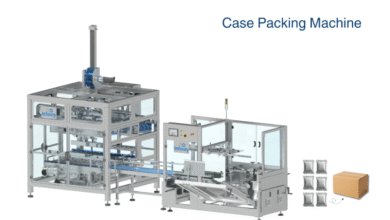
In today’s fast-growing packaging industry, precision, speed, and consistency are essential for maintaining product quality and improving production efficiency. One of the most important innovations that supports these goals is the automatic granule filling machine. Designed to handle a wide range of granular products with high accuracy, this equipment has become a core component in industries such as food processing, agriculture, chemicals, pharmaceuticals, and construction materials.
A modern granule filling machine ensures that each package contains the exact required quantity, reducing waste, improving profitability, and maintaining brand trust. Whether you are packaging rice, sugar, seeds, salt, detergent, or industrial granules, this machine provides unmatched performance and operational stability.
This article explores everything you need to know about granule filling systems, including working principles, types, benefits, applications, and how to choose the right machine for your production line.

What is a Granule Filling Machine?
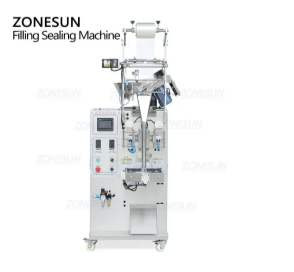
A granule filling machine is an automated or semi-automated packaging system designed to accurately measure and fill free-flowing granular materials into containers, pouches, bags, or bottles. It works by controlling product flow through weighing systems, volumetric cups, or electronic sensors to ensure precise dosing.
Unlike manual filling methods, which are prone to inconsistencies and human error, modern machines deliver high-speed, repeatable accuracy. This makes them essential in industries where weight precision directly affects product quality and compliance standards.
Typical materials handled include:
- Rice, wheat, grains
- Sugar, salt, spices
- Coffee beans and tea granules
- Plastic pellets
- Fertilizers and seeds
- Detergent granules and chemical compounds
Working Principle of a Granule Filling Machine
The operation of a granule filling machine depends on its design, but most systems follow a similar process:
1. Material Feeding
Granules are loaded into a hopper, which stores and regulates product flow.
2. Measuring System Activation
Depending on the machine type, measurement is done using:
- Weighing scales (load cell technology)
- Volumetric cups
- Auger or vibration-based systems
3. Controlled Discharge
Once the target weight or volume is achieved, the machine releases granules into packaging containers.
4. Packaging Sealing
In fully automated systems, filled bags or pouches are sealed, labeled, and moved to the next production stage.
This synchronized process ensures consistent output, minimal wastage, and maximum efficiency.
Types of Granule Filling Machines
Different industries require different packaging solutions. Below are the most common types of granule filling systems:
1. Automatic Granule Filling Machine
A fully automated system that handles weighing, filling, and sealing without human intervention. Ideal for large-scale production lines.
2. Semi-Automatic Granule Filling Machine
Requires partial operator involvement, such as placing containers or initiating filling cycles. Suitable for medium-scale businesses.
3. Weighing-Based Filling Machine
Uses advanced load cell technology to ensure high precision. It is commonly used in food and chemical industries where accuracy is critical.
4. Volumetric Filling Machine
Measures granules based on volume rather than weight. It is cost-effective and suitable for products with uniform density.
5. Multi-Head Weigher Filling System
A high-speed system used for large-scale industrial packaging. It combines multiple weighing heads to increase speed and accuracy.
Key Features of a Modern Granule Filling Machine
A high-quality automatic granule filling machine comes with advanced features that enhance productivity and reliability:
- High-speed automatic filling capability
- Precision weighing systems with minimal error margin
- Stainless steel construction for hygiene and durability
- User-friendly touchscreen control panel
- Adjustable filling range for different product sizes
- Anti-jamming and dust-control mechanisms
- Integration with sealing and labeling machines
These features ensure smooth operation even in demanding industrial environments.
Benefits of Using a Granule Filling Machine
Investing in a granule filling machine offers several operational and business advantages:
1. High Accuracy and Consistency
Ensures every package contains the exact required quantity, reducing product giveaway.
2. Increased Production Efficiency
Automated systems significantly improve packaging speed compared to manual methods.
3. Reduced Labor Costs
Fewer operators are needed, which lowers operational expenses.
4. Improved Hygiene Standards
Especially important in food and pharmaceutical industries where contamination must be avoided.
5. Versatility
Can handle multiple types of granular products with minimal adjustments.
6. Better Brand Reputation
Consistent packaging builds customer trust and ensures compliance with industry standards.
Industrial Applications of Granule Filling Machines
The versatility of the granule filling machine makes it essential across various industries:
Food Industry
Used for packaging rice, pulses, sugar, salt, coffee, and snacks.
Agricultural Sector
Ideal for seeds, fertilizers, and animal feed packaging.
Chemical Industry
Handles detergent granules, industrial salts, and chemical compounds.
Pharmaceutical Industry
Used for controlled packaging of granular medicines and supplements.
Construction Materials
Used for cement additives, sand granules, and other building materials.
Each application demands precision and durability, which modern machines are specifically designed to deliver.
How to Choose the Right Granule Filling Machine
Selecting the right machine depends on your production requirements and product type. Consider the following factors:
1. Production Capacity
Determine whether you need low, medium, or high-speed output.
2. Product Type
Granule size, density, and flowability affect machine selection.
3. Accuracy Requirements
Weighing systems are best for high-precision applications.
4. Level of Automation
Choose between manual, semi-automatic, or fully automatic systems.
5. Budget and ROI
Balance initial investment with long-term operational savings.
6. Maintenance and Support
Ensure availability of spare parts and technical service.
Maintenance Tips for Long-Term Performance
Proper maintenance ensures efficiency and extends machine lifespan:
- Clean hopper and filling nozzles regularly
- Calibrate weighing systems periodically
- Inspect electrical components for wear
- Lubricate moving parts as recommended
- Avoid overloading the system beyond capacity
- Train operators for correct usage
Routine maintenance minimizes downtime and ensures consistent performance.
See also: Introduction To Business And Management
Future Trends in Granule Filling Technology
The packaging industry is evolving rapidly, and granule filling machine technology is also advancing. Key trends include:
- Integration of AI-based smart control systems
- IoT-enabled remote monitoring and diagnostics
- Higher energy efficiency and eco-friendly designs
- Improved multi-product flexibility
- Fully automated smart packaging lines
These innovations aim to further increase productivity while reducing operational costs.
Conclusion
The granule filling machine has become a vital component in modern packaging operations, offering unmatched precision, speed, and efficiency. Whether used in food production, agriculture, or industrial manufacturing, it ensures consistent output and improved profitability.
By investing in the right machine, businesses can streamline operations, reduce waste, and maintain high-quality packaging standards. As automation technology continues to evolve, these machines will play an even more significant role in shaping the future of the packaging industry.
FAQs
1. What is a granule filling machine used for?
A granule filling machine is used to accurately fill granular products such as grains, sugar, seeds, and chemicals into containers or packaging bags.
2. Is a granule filling machine fully automatic?
It can be either fully automatic or semi-automatic depending on the model and production requirements.
3. How accurate is a granule filling machine?
Modern machines offer high precision, often with minimal error margins due to advanced weighing systems.
4. Can one machine handle different products?
Yes, many machines are adjustable and can handle different types of granules with proper calibration.
5. What industries use granule filling machines?
They are widely used in food processing, agriculture, pharmaceuticals, chemicals, and construction industries.
6. How do I maintain a granule filling machine?
Regular cleaning, calibration, and inspection of components ensure long-term performance and reliability.