Introduction
Modern telecommunications networks require exceptional speed, reliability, and signal integrity to support growing data demands. As mobile operators expand 4G, 5G, and future wireless infrastructure, the physical connectivity between radio equipment and baseband units becomes increasingly critical. High-performance transmission solutions are essential for maintaining network efficiency, minimizing latency, and ensuring uninterrupted communication.
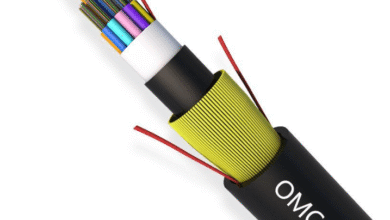
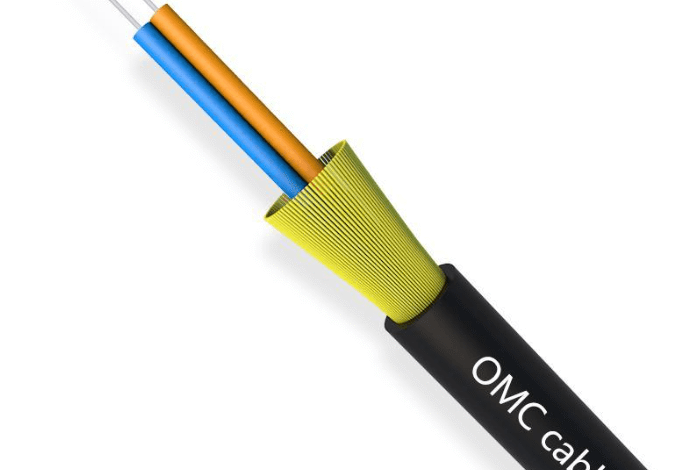
Among the most important components in contemporary telecom architecture is the cpri cable, a specialized connectivity solution designed to support high-bandwidth communication between remote radio heads (RRHs) and baseband units (BBUs). Engineered for industrial environments, these cables provide superior signal transmission, durability, and long-term operational stability in demanding outdoor and indoor deployments.
This article explores the features, benefits, applications, and selection criteria of industrial-grade CPRI cables while explaining why they remain a cornerstone of advanced telecommunications infrastructure.

What Is a CPRI Cable?
A Common Public Radio Interface (CPRI) cable is a high-speed communication medium that enables data transfer between key components within cellular network infrastructure. These cables facilitate real-time communication between radio equipment and processing units, ensuring seamless transmission of voice, video, and data traffic.
Telecommunications providers rely on a robust cpri cable solution because network performance depends heavily on stable signal delivery. Whether installed in urban cellular towers, distributed antenna systems, or private wireless networks, these cables are designed to maintain consistent performance under challenging environmental conditions.
Industrial-grade variants are specifically engineered to withstand temperature fluctuations, moisture exposure, UV radiation, vibration, and mechanical stress, making them ideal for mission-critical deployments.
Why Industrial-Grade CPRI Cables Matter
Telecom networks operate continuously, often in harsh environmental conditions. Standard cabling solutions may experience degradation over time, leading to signal loss and costly maintenance requirements.
Industrial-grade CPRI cables provide several advantages:
Enhanced Signal Integrity
High-frequency data transmission requires precise engineering to minimize attenuation and electromagnetic interference. Industrial-grade cables maintain superior signal quality over extended distances, supporting reliable network operations.
Increased Durability
These cables are designed with rugged outer jackets, reinforced structures, and weather-resistant materials. This construction protects against physical damage and environmental exposure.
Long-Term Reliability
Telecommunication operators prioritize infrastructure investments that deliver years of dependable service. Industrial-grade solutions help reduce downtime and maintenance costs.
Future-Ready Performance
As network bandwidth requirements continue to increase, high-quality CPRI cabling supports evolving technologies and network upgrades without compromising performance.
Key Features of Industrial-Grade CPRI Cable
Superior Optical Transmission
Many CPRI solutions utilize optical fiber technology to achieve high-speed data transmission with minimal signal degradation. Fiber-based designs provide exceptional bandwidth capacity and low latency.
Environmental Resistance
Industrial environments present numerous challenges, including extreme temperatures, humidity, dust, and UV exposure. High-quality CPRI cables are manufactured using materials that resist these environmental factors.
Flexible Installation
Telecommunications projects often involve complex routing paths. Flexible cable designs simplify installation while maintaining structural integrity.
Low Signal Loss
Signal attenuation directly impacts network performance. Advanced engineering techniques ensure minimal loss during transmission, preserving data quality across long distances.
High Mechanical Strength
Industrial deployments require cables capable of handling pulling forces, bending stress, and continuous movement without affecting performance.
Applications in Modern Telecommunications
Industrial-grade CPRI cables support a wide range of telecommunications applications.
Cellular Base Stations
Mobile network operators use CPRI technology to connect radio equipment with centralized processing systems. Reliable connectivity ensures efficient handling of increasing subscriber traffic.
5G Infrastructure
The rollout of fifth-generation wireless networks demands high-capacity communication links. Industrial-grade CPRI solutions help meet the stringent performance requirements of 5G deployments.
Distributed Antenna Systems
Large venues such as airports, stadiums, shopping centers, and transportation hubs often deploy distributed antenna systems to improve wireless coverage. CPRI connectivity enables seamless communication between network components.
Smart Cities
Smart city initiatives depend on interconnected devices and real-time data transmission. Robust telecom infrastructure supported by industrial-grade cabling helps enable intelligent transportation, surveillance, and communication systems.
Private Wireless Networks
Industries including manufacturing, logistics, energy, and mining increasingly deploy private wireless networks. Reliable CPRI connections help maintain uninterrupted communication within these mission-critical environments.
Benefits for Network Operators
Improved Network Efficiency
Reliable connectivity minimizes transmission errors and enhances overall network performance. This contributes to better user experiences and operational efficiency.
Reduced Maintenance Costs
Durable industrial-grade designs require less frequent replacement and maintenance, lowering total ownership costs over the cable’s lifecycle.
Enhanced Scalability
As networks expand, operators need infrastructure capable of supporting future growth. High-performance CPRI solutions facilitate scalable network development.
Better Return on Investment
Investing in premium cabling solutions reduces operational disruptions and helps maximize infrastructure longevity.
Factors to Consider When Choosing a CPRI Cable
Selecting the right cable requires careful evaluation of multiple technical and environmental factors.
Transmission Requirements
Determine the bandwidth and data transmission requirements of the network. Higher-capacity deployments may require advanced fiber-optic configurations.
Installation Environment
Environmental conditions significantly influence cable performance. Consider temperature ranges, moisture exposure, chemical resistance, and UV protection requirements.
Connector Compatibility
Ensure the cable integrates seamlessly with existing telecommunications equipment and connector standards.
Mechanical Protection
Evaluate the need for reinforced jackets, armored designs, or additional protective features depending on installation conditions.
Compliance and Quality Standards
Choose products that meet recognized telecommunications and industrial quality standards to ensure consistent performance and reliability.
The Role of CPRI Cables in 5G Expansion
The transition toward 5G technology has dramatically increased the importance of high-performance network connectivity. Massive data throughput, ultra-low latency requirements, and dense network architectures place greater demands on telecommunications infrastructure.
A high-quality cpri cable helps facilitate communication between distributed radio units and centralized processing equipment, ensuring efficient network operation. As operators continue expanding coverage and capacity, reliable connectivity solutions become increasingly critical.
Furthermore, the growing adoption of cloud-based radio access networks and centralized network architectures further reinforces the need for dependable high-speed cabling systems.
Installation Best Practices
Proper installation contributes significantly to cable longevity and performance.
Follow Bend Radius Guidelines
Excessive bending may damage internal components and reduce transmission efficiency. Always adhere to manufacturer recommendations.
Protect Against Mechanical Stress
Avoid excessive pulling forces during installation to preserve cable integrity.
Maintain Clean Connections
Contaminated connectors can negatively affect signal quality. Proper cleaning procedures help ensure optimal performance.
Use Appropriate Routing Methods
Cable trays, conduits, and protective pathways can help prevent physical damage and simplify maintenance.
Conduct Performance Testing
Post-installation testing verifies signal quality and ensures the network meets operational requirements.
Future Trends in Telecom Connectivity
Telecommunications technology continues evolving rapidly. Emerging applications such as autonomous systems, industrial automation, edge computing, and the Internet of Things require increasingly sophisticated network infrastructure.
Future CPRI cable designs are expected to focus on:
- Higher bandwidth capabilities
- Improved environmental resistance
- Enhanced mechanical durability
- Reduced installation complexity
- Greater support for advanced wireless architectures
Organizations investing in robust connectivity solutions today position themselves to support tomorrow’s technological innovations.
Conclusion
Reliable telecommunications infrastructure begins with dependable physical connectivity. Industrial-grade CPRI cables play a crucial role in supporting modern wireless networks by delivering high-speed data transmission, exceptional durability, and long-term reliability.
As telecommunications providers continue expanding 5G networks, distributed antenna systems, private wireless deployments, and smart city initiatives, the demand for high-performance cabling solutions will continue to grow. Choosing the right cpri cable ensures optimal signal integrity, reduced maintenance requirements, and improved network performance across a wide range of applications.
For organizations seeking to build resilient and future-ready telecommunications infrastructure, investing in industrial-grade CPRI cable solutions remains a strategic and cost-effective decision.
See also: The Ultimate Guide to Ceramic Coating for Cars in Fort Collins, CO
Frequently Asked Questions (FAQs)
What is a CPRI cable used for?
A CPRI cable is primarily used to connect remote radio heads and baseband units in telecommunications networks, enabling high-speed data transmission and reliable communication.
Why are industrial-grade CPRI cables important?
Industrial-grade CPRI cables offer enhanced durability, environmental resistance, and signal integrity, making them suitable for demanding telecom installations.
Can CPRI cables support 5G networks?
Yes. High-quality CPRI cables are widely used in 5G infrastructure to support the increased bandwidth and performance requirements of next-generation wireless networks.
Are CPRI cables suitable for outdoor installations?
Industrial-grade versions are specifically designed for outdoor environments and can withstand moisture, UV exposure, temperature fluctuations, and mechanical stress.
How do I choose the right CPRI cable?
Consider factors such as bandwidth requirements, installation environment, connector compatibility, durability needs, and compliance with industry standards.
What are the advantages of fiber-based CPRI cables?
Fiber-based CPRI cables provide higher bandwidth, lower signal loss, improved electromagnetic immunity, and greater transmission distances compared to traditional alternatives.
How long do industrial-grade CPRI cables last?
With proper installation and maintenance, industrial-grade CPRI cables can provide many years of reliable service in telecommunications infrastructure.